Medication is the quiet spine of each day life in senior groups. It can stay blood pressure stable, moods even, and soreness attainable. It might also motive falls, confusion, or medical institution visits while treated poorly. The approach a community organizes medicine administration tells you tons approximately its philosophy and expertise. Nowhere is that distinction clearer than among assisted living and memory care.
I actually have spent years taking walks families via the two settings, sitting at eating room tables with weekly capsule organizers spread out like patchwork, and shadowing nurses on med passes throughout the dinner rush. The main points be counted. A community that suits one someone flawlessly may be the wrong match for any individual with delicate cognitive impairment, and the gap purely widens once dementia advances. Understanding how medical care routines differ among assisted residing and reminiscence care enables you evade preventable crises and decide upon a place where your loved one can thrive.
The original flooring: pillars of safe drugs use
Assisted living and reminiscence care share a beginning. Both objective to offer the proper treatment, at the proper dose and time, to the true character, with the fewest facet effects. That foundation relies upon on four issues.
First, a finished, current treatment list. This sounds basic, but such a lot error start up with a missing vitamin, reproduction prescription, or out of date dose. Communities have faith in prescriptions from the primary care carrier, professionals, and infrequently telehealth visits. The well suited ones reconcile the record at any time when a new order is available in and after each and every hospitalization.
Second, a process for tracking and reporting differences. New drowsiness, swelling, or a cough that lingers may well be a therapy thing. Staff needs to document observations, circulate them to a nurse or medicine technician, and expand to the prescribing clinician whilst patterns emerge.
Third, reliable garage and managed get admission to. Whether medicinal drugs are centrally saved or kept in resident rooms, locks, temperature controls, and audit logs aren't non-compulsory. Even a topical ointment can reason damage if used incorrectly.
Fourth, steady instruction. States vary on regardless of whether certified therapy technicians can provide meds or if a nurse needs to do it. The satisfactory groups pass beyond the minimal, with fingers-on refreshers, shadowing, and competency checks at least annually.
From there, the paths diverge.
Who manages what: autonomy versus protection
Assisted dwelling frequently starts off with the idea that residents can do some matters for themselves, including managing facet or all of their medication activities. Staff would possibly instructed verbally, ship a reminder card at breakfast, or money a weekly organizer that family unit fills. Some citizens hold their very own meds in a lockbox and ring down in the event that they need a fill up.
Memory care, through design, takes a more protective stance. Residents living with Alzheimer’s or other dementias regularly cannot accurately music timing, acknowledge drugs, or recall even if they already swallowed a dose. In reminiscence care, medicinal drugs are well-nigh normally centrally saved, organized by team, and given head to head. Self-management is rare, and even if a resident asks for it, the choice runs by way of a careful contrast and generic rechecks.
These extraordinary starting factors usually are not about skill by myself; they replicate the wider way of life. Assisted residing values independence and preserves it, however meaning accepting some chance. Memory care prioritizes safeguard and ordinary to in the reduction of confusion, despite the fact that it limits spontaneity. The determination is not really ethical, this is medical and reasonable.
The day by day rhythm: what a med cross appears like
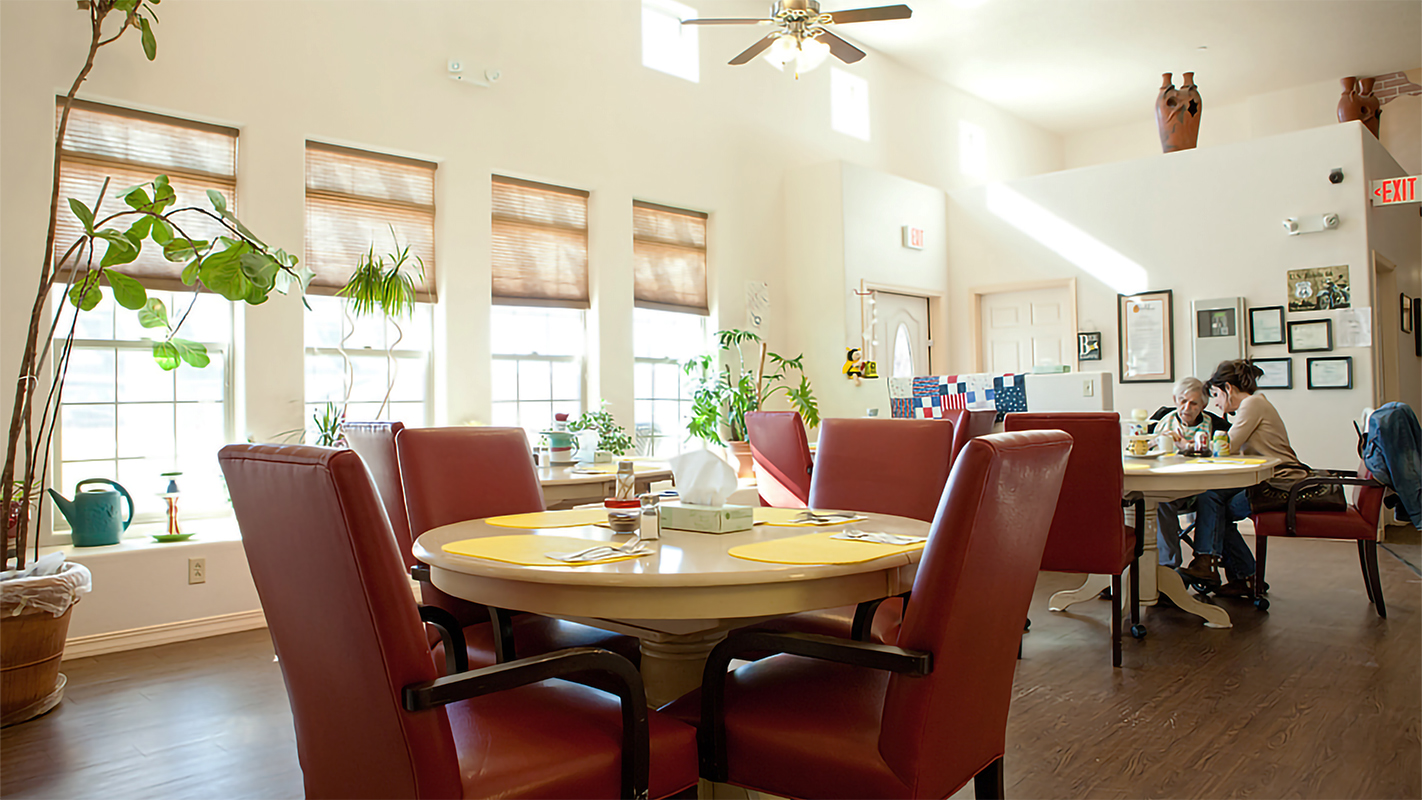
Walk into an assisted living dining room at 8 a.m. and you would see a med cart roll among tables. A licensed nurse or knowledgeable med tech calls citizens via title, verifies id, and affords morning drugs with water, many times along a blood power inspect or insulin injection. Others take their personal medications of their apartments per confidential workouts. Timing windows tend to be flexible, commonly within an hour of the scheduled time, except the medication requires precision.
In reminiscence care, the med skip is greater tightly choreographed. Staff time doses to in shape universal personal routines and the group’s day-after-day drift. A resident who resists tablets at breakfast would possibly do better after taking walks inside the backyard. Another might simply settle for remedy when an aide they belif is on shift. Staff lean on strategies that go past drugs in a cup: crushing medicines that enable it and mixing with applesauce, proposing one tablet at a time, or by using small sips of hot tea rather then chilly water for people with swallowing themes. The medicine window is narrower for tablets that influence cognition or conduct, given that a late dose can ripple into agitation with the aid of afternoon.
People and credentials: who can supply medications
Regulations differ through state, but just a few constant patterns demonstrate up.
- In assisted dwelling, medical care information could be provided by a qualified medicinal drug technician below nurse supervision. Nurses are on website online in the time of precise hours and on name after hours, with 24/7 staffing by way of caregivers. Complex initiatives like insulin titration, tube feeding medicines, or IV antibiotics could exceed the license of the environment, depending on kingdom principles and provider expertise. In reminiscence care, the related licensure law follow, yet staffing pretty much skews towards upper caregiver ratios and greater nurse involvement. Medication aides take delivery of added dementia-exceptional instructions, and managers set tighter expectancies for documentation and remark post-dose. For prime-hazard circumstances, inclusive of PRN antipsychotics, a nurse regularly assesses the habit, paperwork non-pharmacologic attempts, obtains orders, and monitors outcome.
One warning: activity titles can lie to. “Wellness nurse” will likely be an LPN or RN, or it might probably be a manager with no licensure in a few markets. Ask peculiarly who passes medicines, their certifications, and who's on site at 2 a.m. on a Sunday.
Storage and protection: in which drugs live
In assisted residing, garage is dependent on the resident’s capacity. Capable citizens may preserve a locked drawer in their house at the same time the network holds managed supplies centrally. When the network manages drugs, they use locked med rooms or carts and handle perpetual logs for managed medicines. Refrigerated units journey in a small locked cooler constructed into the cart or in a dedicated med room fridge with temperature logs.
In reminiscence care, honestly all medicinal drugs are centrally kept. Many communities eliminate the med cart from general spaces to limit confusion and create a calmer atmosphere, utilizing discreet wall-hooked up cabinets or dedicated med rooms. Teams more commonly coloration code drawers or use massive-print labels to lower down on selection blunders all through prime-traffic occasions.
Assessments and care plans: while the plan changes
In assisted living, citizens may additionally start out with partial support. Perhaps the neighborhood can provide morning and nighttime drugs at the same time the resident handles midday tablets. If the grownup begins missing doses, group of workers report the sample and request a remedy administration improve. The kin may agree to full service for a tribulation era, with a plan to revisit in 30 days.
In reminiscence care, medicine leadership is equipped in and adjusted for habits, swallowing skill, and sickness degree. A resident who wallet tablets may perhaps trigger a speech medicine referral to judge dysphagia, a transfer to liquid or disintegrating tablets while on hand, and a new protocol with further water and one-to-one supervision. If sundowning intensifies, the crew would possibly shift timing of antidepressants or cholinesterase inhibitors, or alter a nap routine earlier than touching medicinal drugs in any respect.
Care plan changes in each settings may still waft from found archives. The preferable groups deliver households into that loop early, now not after a fall or emergency room consult with.
Polypharmacy: taming the sprawl of pills
Most residents arrive with a crowded med record, ordinarilly 8 to twelve medicines, plus over the counter models. Reducing that listing improves best of life and reduces possibility. Assisted dwelling groups ordinarily start off deprescribing by means of flagging duplications or asking prescribers to justify every healing. The medicines such a lot aas a rule pruned comprise proton pump inhibitors used past their usual intent, reproduction laxatives, nightly sedatives that boom falls, and nutrients without a clean indication.
In memory care, the stakes are sharper. Sedating drugs can aggravate confusion and lift fall probability overnight. Anticholinergic medicine, fashionable in bladder keep an eye on and distinctive hypersensitive reaction meds, can irritate reminiscence complications. A considerate reminiscence care workforce pushes for non-drug tactics first: hydration applications for urinary urgency, scheduled toileting, environmental modifications for sleep, and caregiver thoughts for nervousness. When a cure is vital, they tend to choose the smallest tremendous dose and transparent aims for what enchancment looks as if.
Deprescribing takes time and coordination. Families at times worry a treatment aid will motive decline. In observe, trimming the med listing ordinarilly improves alertness and mobility inside of days to weeks. The key's a plan: one trade at a time, cautious statement, and an gentle path to pause if concerns emerge.
Special cases that change the rules
Parkinson’s disease changes the whole time table. Carbidopa-levodopa demands certain timing to govern mobility and tremor. In assisted living, a resident who can still feel “on” and “off” intervals can even propose for good occasions and bring a small travel dose to events. In reminiscence care, personnel must anchor the doses to clock instances, not comfort, and maintain that agenda from being swallowed by foodstuff or institution programming.
Diabetes adds layers. In assisted dwelling, sturdy classification 2 diabetes may perhaps involve oral meds with a day to day finger-stick. Memory care sees extra insulin-dependent residents, some with unpredictable ingesting and wandering. Teams adapt by way of presenting small, conventional foods, coordinating insulin to precise consumption instead of suited intake, and the use of continuous glucose tracking while a carrier orders it and the resident tolerates the sensor.
Anticoagulation invites precision. Warfarin desires INR exams and vitamin consistency, which may also be complicated if the resident forgets dietary coaching or picks at nutrients. Newer anticoagulants simplify tracking, yet require strict adherence to dosing times. Memory care most commonly manages these greater seeing that crew control the recurring, but additionally they need to look forward to bruising and bleeding whilst mobility and falls are an trouble.
Psychotropics sit at the crossroads of ethics and safeguard. Assisted dwelling has a tendency to use fewer psychotropics, booking them for recognized situations. Memory care faces refractory behaviors that infrequently justify quick-time period antipsychotics or temper stabilizers. Regulations and superior train push for non-pharmacologic measures first: noise reduction, pain keep an eye on, structured interest, and frequent faces. If a medicinal drug is commenced, a transparent aim symptom and sundown date may still be set from day one.
Communication loops: holding anybody aligned
Medication administration succeeds when advice actions effortlessly. In assisted living, a difference may jump with a trouble-free note: “Mrs. H skipped lunch and seemed dizzy.” The nurse calls the daughter, who stocks that the crucial care health care professional adjusted blood pressure meds last week. The network updates the eMAR and tightens blood drive assessments for 3 days.
Memory care communique incorporates conduct tips and context. “Mr. K refused his four p.m. dose, raised voice, and paced for 18 minutes. Calm after tune and a snack.” With 3 an identical notes in a week, the nurse calls the supplier to discuss timing changes, now not simply dose will increase. Families get hold of weekly updates in lots of memory care systems due to the fact that habits shifts would be refined until eventually they may be no longer.
Families aid such a lot after they percentage backyard care transformations rapidly and produce all prescription bottles, whether or not they feel the community already has the listing. Duplicate bottles from various pharmacies are a straightforward resource of blunders.
Technology: helpful, if grounded in reality
Electronic medical care management data, or eMARs, are common in each settings now. They cut down transcription mistakes, instant team of workers, and create audit trails. Barcode scanning supports ensure that the excellent resident receives the good therapy, while adoption varies with the aid of neighborhood size and funds.
Automated pill p.c. programs from pharmacies make a extensive big difference in assisted residing, fairly for residents managing section of their personal meds. Packs prepare doses by means of time and date. In memory care, bubble packs nonetheless assist, nevertheless team of workers as a rule remove and prepare doses rather then handing a percent to the resident.
Wearables and good reminders can prolong independence in assisted dwelling. A vibrating watch that cues noon drugs may be ample for human being with light cognitive substitute. In reminiscence care, the user might also ignore or misinterpret activates. A human cue delivered calmly, within the true tone, and at the desirable moment is still the gold traditional.
Transitions of care: where error hide
The riskiest time for therapy error is after a hospital or rehab keep. Discharge orders most commonly fluctuate from the pre-medical institution listing. Assisted residing workforce ought to reconcile lists, discard old bottles, and make certain new doses with the company. Families sometime bring a bag of recent meds and depart the historical ones “just in case,” which units the level for duplication.
Memory care handles transitions with greater strict quarantine of vintage drugs. Many communities require pharmacy-added blister packs earlier than resuming management, however that suggests a momentary put off whilst a nurse uses a written stat order and a small starter source. The extra step may possibly suppose bureaucratic, but it prevents double dosing.
If your beloved is heading back to either placing, ask for a plain-language medicine precis from the hospital and make certain who calls the community nurse. A 10-minute mobile call beats a hour of darkness scramble whenever.
Respite care: short stays with lengthy-term implications
Respite care provides a different wrinkle. Families usally use respite for a week or two throughout the time of tour, caregiver restoration, or to check a neighborhood more healthy. Medication leadership throughout the time of respite is totally managed by using group in reminiscence care, when assisted dwelling may possibly enable self-management if the resident arrives with a clean gadget and demonstrates competence. In my feel, respite is the ideal time for a medication music-up. Staff can comply with what essentially receives taken, what appears to be like pointless, and the way timing affects vigor and sleep.
If you propose a respite continue to be, bring present day orders, all medical care bottles in customary pharmacy packaging, and the ultimate two months of any labs tied to drugs, akin to INRs or thyroid exams. Label device like glucose meters and inhalers. Tell the group how you cue medications at home, down to small methods like driving hot water or proposing a mint after a sour pill. Those facts modern the primary days.
Costs and insurance: what households should expect
Medication administration has a payment constitution that catches some families off safeguard. Assisted living repeatedly expenses in tiers: a modest check for reminders handiest, higher for complete management, and additional costs for insulin injections, nebulizers, or widely wide-spread PRN oversight. The pharmacy % fee may be separate. Costs differ broadly via place, but a month-to-month medical care management expense in assisted dwelling probably lands inside the low heaps and climbs with complexity.
Memory care commonly bundles remedy control into the bottom fee, with add-ons for prime-acuity responsibilities. Because basically all citizens acquire complete cure administration, the funds assumption is different from day one.
Medicare does no longer pay room-and-board in both atmosphere. It does cover prescription drugs via Part D plans, matter to copays and formularies. Many groups have trendy pharmacies that integrate with their eMAR system. You can in certain cases decide out, but the industry-off is slower order turnaround and greater risk of ignored doses although workers reconcile outdoor bottles. Long-term care insurance also can reimburse a few medicinal drug-linked services and products, relying on the coverage. It is worth inquiring for a reward review earlier than movement-in.
Red flags and excellent symptoms right through a tour
You can read loads about treatment control in 15 mins if you recognize what to observe. Look for a relaxed, prepared med cross. Staff must always confirm identity devoid of shouting across the room. Ask to work out how the neighborhood information PRN medications and follow-up outcomes. If they is not going to train you in proper time, that may be a yellow flag.
Watch how team of workers respond whilst a resident refuses a dose. Coaxing that respects dignity beats force or threats. Ask how the network handles a past due pharmacy start or a missing dose after hours. The premier groups have backup inventory and a nurse who can achieve a stat order, no longer a shrug and “name the surgeon in the morning.”
On the storage entrance, seek for temperature logs on med fridges and a managed substance depend that suits the last access. Ask how quite often they function remedy audits. If the answer is best “when the kingdom comes,” save asking.
Family roles that make a difference
Even when a neighborhood manages treatment, households assisted living BeeHive Homes Assisted Living have leverage to enhance safety.
- Keep one prescriber within the lead. A vital care or geriatrician who coordinates cardiology, psychiatry, and neurology helps forestall duplicates and interactions. Bring each and every bottle and discard previous ones. If a medicine used to be stopped, do no longer leave it “just in case.” Old bottles locate their way returned onto lists. Ask for a quarterly overview. Meet with the nurse to discuss each and every medical care’s explanation why, dose, timing, and followed end result. Agree on applicants to taper. Share styles. Tell workers what you see on visits: naps after lunch, stressed evenings, problems swallowing. Those clues steer dose timing and formulations. Plan for emergencies. Make certain the neighborhood has your consent for standing orders while splendid, corresponding to rescue inhalers, and a clean plan for after-hours changes.
These are usually not burdensome chores. They are conversations that retain the man or woman on the core of the plan.
When assisted residing is no longer enough
A resident can even delivery in assisted residing with pale remedy reinforce and later need the management and consistency of memory care. The pivot always will become obvious in a few styles: repeated refusals, unsafe duplications, pocketing capsules, worsening agitation after neglected doses, or familiar health center visits for dehydration or falls tied to sedating medicines.
Communities maintain this lightly when conceivable, trialing expanded strengthen first. If extra body of workers time does not stabilize issues, memory care grants the architecture that makes drugs safer. Families fear that the move will think like a loss. Often, the alternative occurs. With a stable ordinary and fewer drugs, many residents become more alert and engaged within weeks.
The quiet metric that matters
At its absolute best, therapy control fades into the heritage. Meals taste useful. A stroll after lunch feels ordinary. The afternoon nap refreshes in preference to sedates. In assisted living, that feels like a resident nonetheless carrying their own rhythm, with diffused, compassionate scaffolding. In memory care, that seems like an afternoon that flows, now not on account that everything is managed, but because the crew knows when to bend and when to anchor.
The transformations among assisted dwelling and memory care remedy routines usually are not bureaucratic quirks. They are reflections of how each and every putting helps a man’s expertise and protects in opposition t actual hazards. When you evaluate communities, image the human being you like on a Tuesday at three p.m. Who is handing them a glass of water, how do they realize it's time, and what happens if these days just isn't like the day past? If the solutions believe detailed, calm, and down to earth, you might be on the appropriate music.
BeeHive Homes Assisted Living of Edgewood
Address: 102 Quail Trail, Edgewood, NM 87015
Phone: (505) 460-1930